Roadside Assistance After a Truck Breakdown
5 Mistakes to Avoid After a Heavy Truck Breakdown
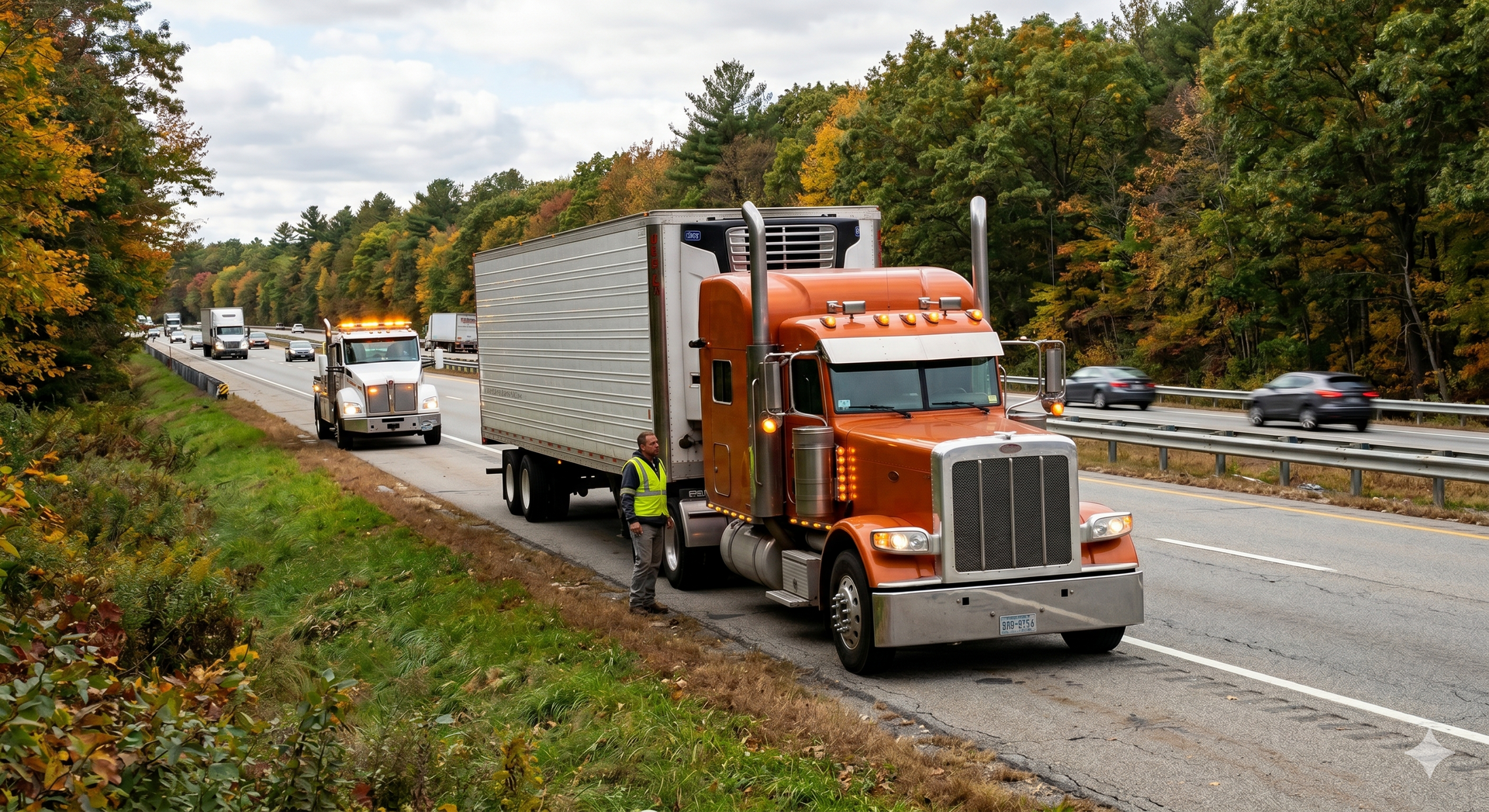
A heavy truck breakdown can turn a normal run into a dangerous situation fast. One minute you are moving through Sterling, MA, and the next you are dealing with traffic, lost time, a loaded trailer, and pressure from dispatch or a customer waiting on delivery.
What you do in the first few minutes matters. The wrong move can put you, your truck, your cargo, and other drivers at risk. It can also make a repair more expensive or turn a roadside issue into a full tow.
This guide breaks down five common mistakes drivers, owner-operators, and fleet dispatchers should avoid after a heavy truck breakdown. The goal is simple: stay safe, protect the equipment, and call the right roadside assistance team before the problem gets worse.
Mistake 1: Staying in a Dangerous Spot Too Long
When a heavy truck breaks down, the first priority is safety. Not the repair. Not the schedule. Not the load. Safety comes first because a disabled truck near active traffic can become a serious hazard within seconds.
Get Out of the Travel Lane When Possible
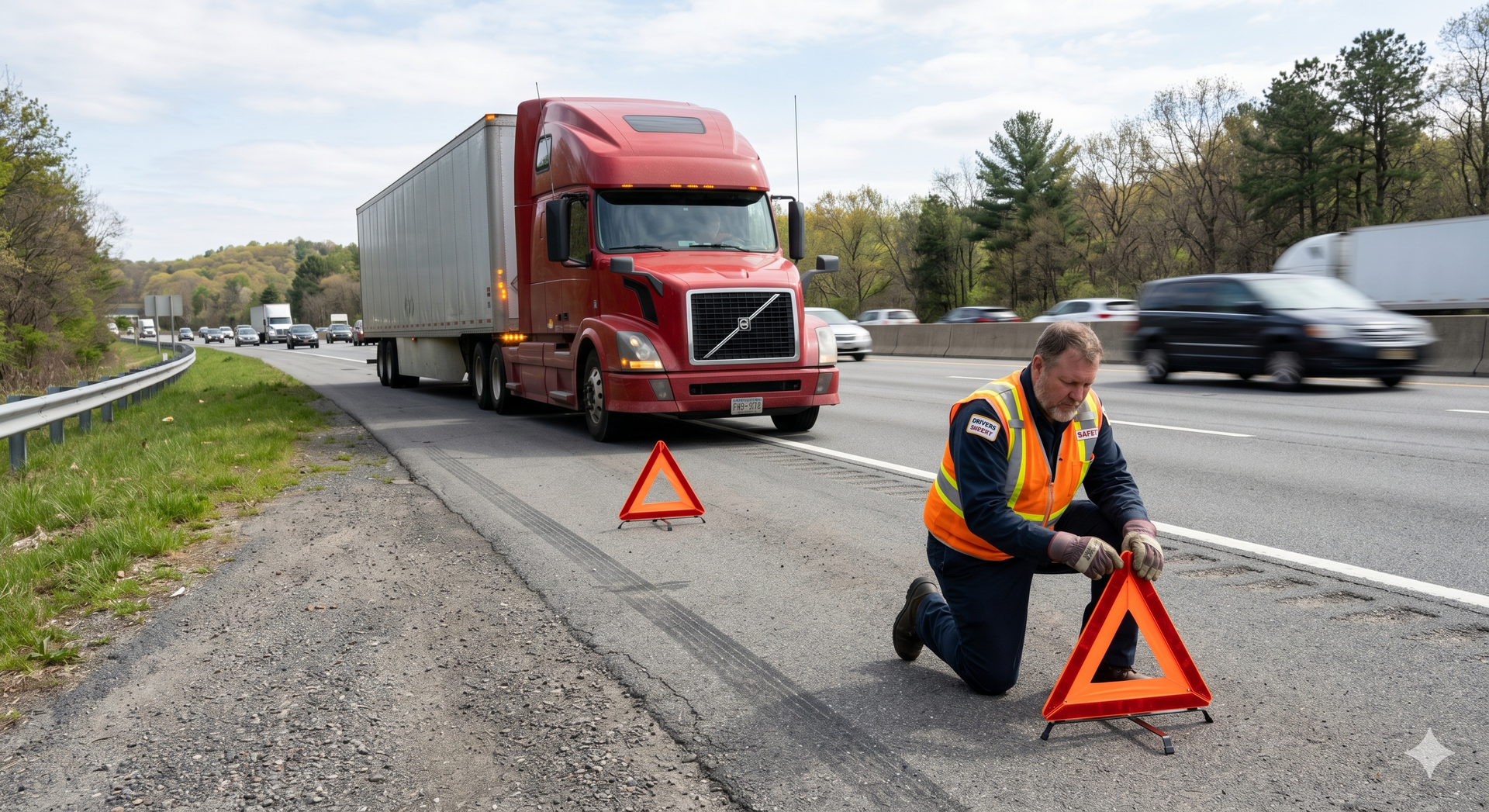
If the truck still has limited movement, try to get it to the shoulder, a wide pull-off, a parking lot, or another safe area. Turn on hazard lights right away. Use triangles or warning devices according to federal safety rules and your company procedures.
Do not stand between the truck and traffic. Do not stay close to the roadside if vehicles are passing at highway speed. If conditions are unsafe, stay inside the cab with your seatbelt on until help arrives, unless there is fire, smoke, leaking fuel, or another immediate danger.
Call for Help Before the Situation Gets Worse
Some drivers wait too long because they hope the issue will clear on its own. That delay can be costly. A flat tire, overheating issue, brake problem, or electrical failure can get worse if the truck keeps running or stays exposed in a bad location.
Calling for heavy duty road services early gives the service team a better chance to respond with the right equipment. It also helps dispatchers make faster decisions about the load, route, and customer updates.
Mistake 2: Trying to Diagnose the Problem Without Enough Information
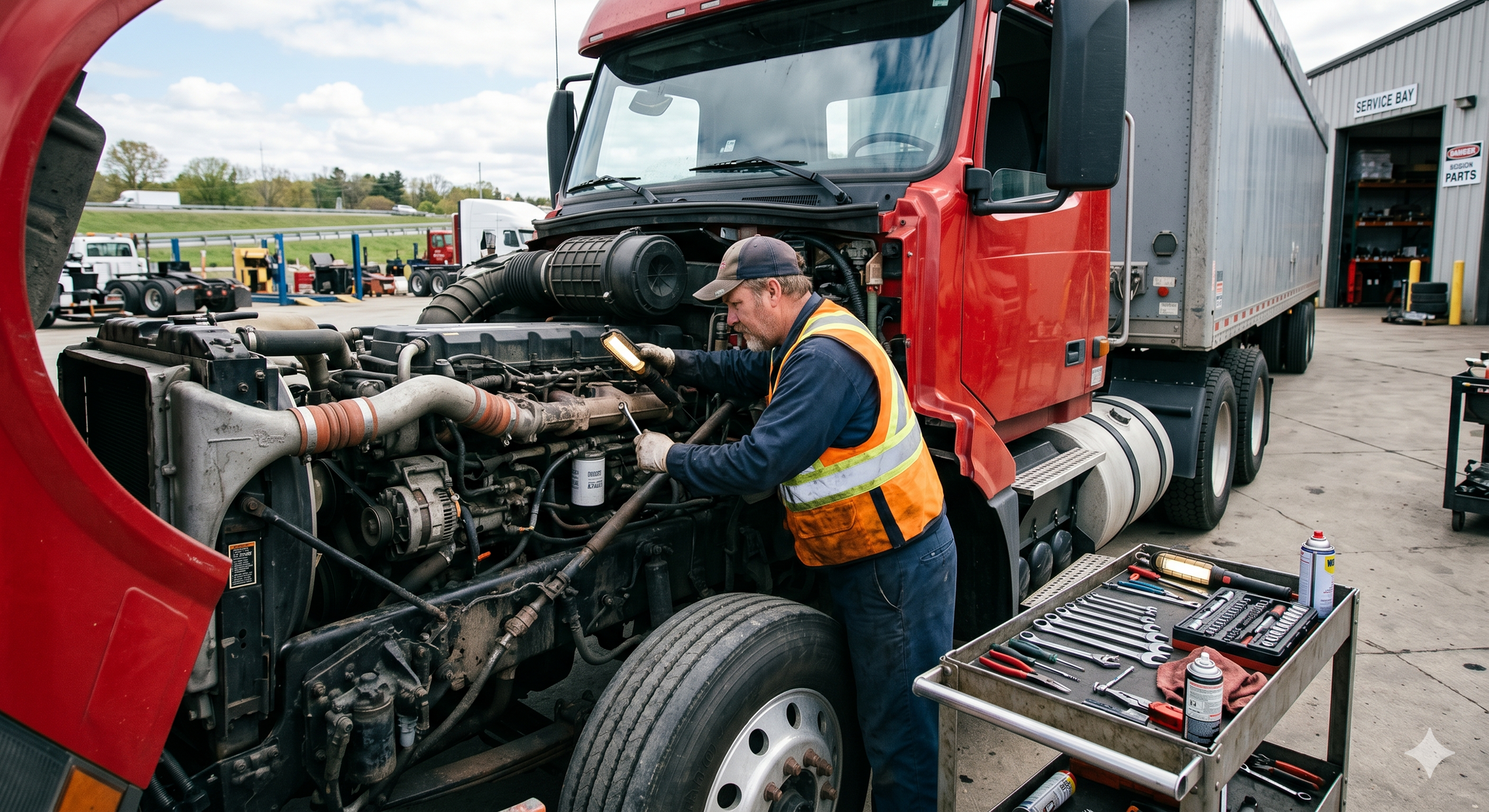
Truck drivers know their equipment. Many can spot warning signs before a fault code appears. Still, a roadside breakdown is not the place to guess your way through a serious mechanical problem.
Do Not Keep Driving With Warning Signs
A heavy truck may still move after a breakdown starts, but that does not mean it should. Low air pressure, rising engine temperature, grinding brakes, power loss, steering trouble, and unusual vibration all need attention.
Driving “just a few more miles” can turn a manageable repair into a major failure. It can also increase the chance of a crash. When in doubt, stop in the safest place available and request roadside assistance.
Avoid Making the Wrong Repair Call
A breakdown can look like one problem and turn out to be another. A no-start issue may involve batteries, wiring, the starter, or the charging system. A trailer problem may involve brakes, lights, suspension, tires, or air lines.
That is why professional truck repairs matter. A trained technician can inspect the issue, identify the likely cause, and determine whether the truck can be repaired roadside or needs to be moved.
Mistake 3: Calling the Wrong Type of Tow or Roadside Provider
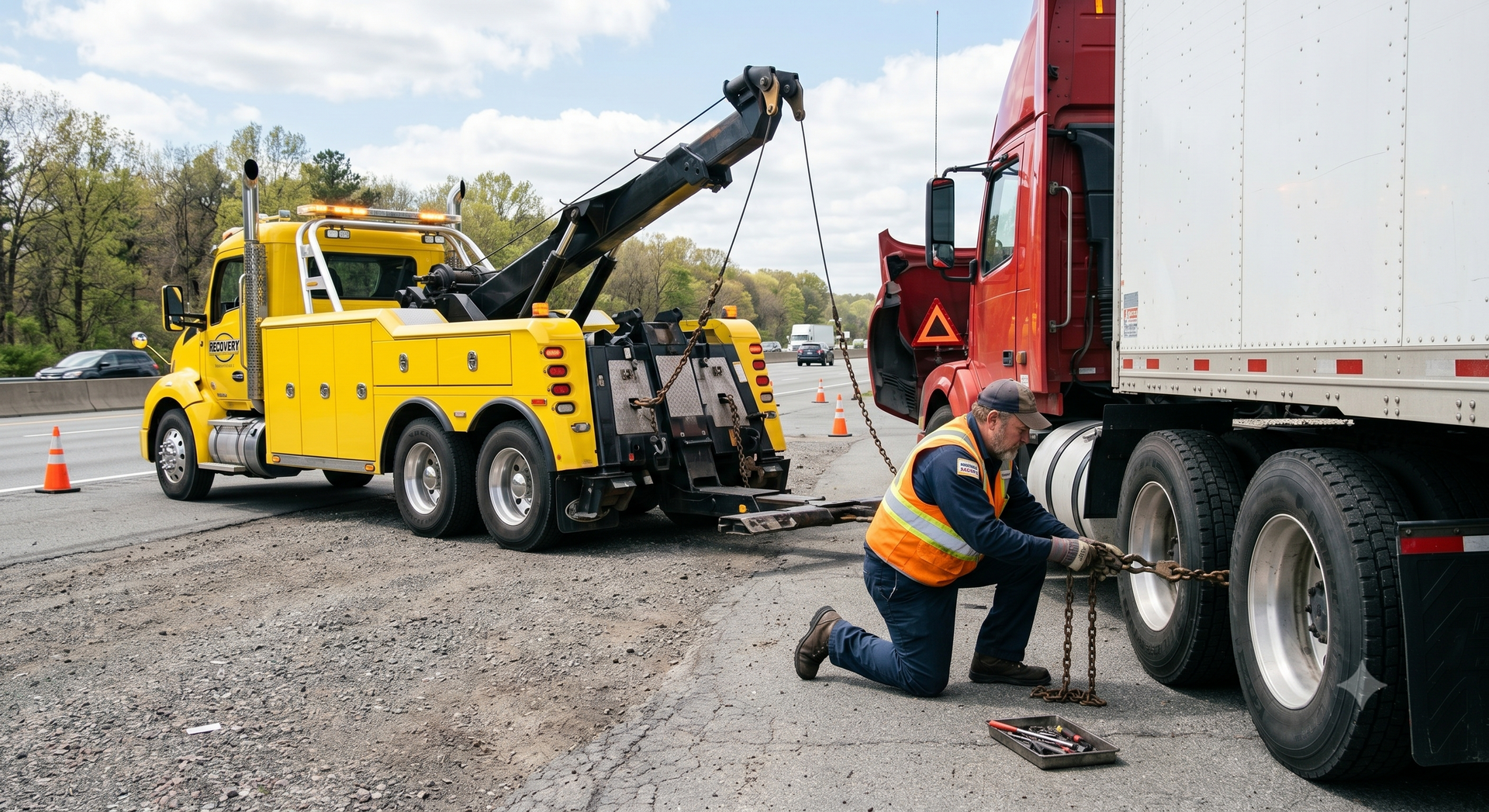
Not every towing company is equipped for heavy trucks. A tractor-trailer, dump truck, box truck, or loaded commercial vehicle needs the right equipment, the right approach, and the right experience.
Heavy Trucks Need Heavy-Duty Equipment
A light-duty tow truck may be fine for a pickup or passenger car, but it is not built for heavy commercial equipment. Calling the wrong provider wastes time and may create safety risks if the truck cannot be moved properly.
For commercial breakdowns, drivers and dispatchers should confirm that the provider handles heavy trucks, trailers, and roadside service needs. In many cases, towing services must be coordinated with the type of truck, load condition, road position, and damage involved.
Know When a Tow Is Safer Than a Roadside Repair
Roadside repairs are useful when the problem can be handled safely where the truck is located. But not every issue should be fixed on the shoulder. Bad weather, narrow roads, poor visibility, leaking fluids, brake failure, or major driveline problems may make towing the safer choice.
That is where heavy duty towing services can protect the driver, the equipment, and passing traffic. A good provider will not force a roadside repair when the location or failure type makes towing the better option.
Mistake 4: Giving Dispatch or the Service Team Incomplete Details
A breakdown call should not be rushed, even when the situation is stressful. The more accurate the information, the better the response.
Share the Exact Location
Give the road name, direction of travel, nearest exit, mile marker, business landmark, or GPS location. In Sterling, MA, this can make a major difference because response routes may vary depending on traffic, road access, and truck restrictions.
Do not assume the service team can find you based on a general description. A clear location helps roadside assistance arrive faster and reduces back-and-forth calls.
Explain the Truck, Trailer, and Symptoms
Dispatchers and technicians need to know what they are responding to. Share the truck type, trailer type, load condition, visible damage, warning lights, fluid leaks, tire condition, and whether the truck can move.
If the issue involves a trailer, mention lights, brakes, air lines, suspension, doors, landing gear, or tire problems. For fleets, regular heavy duty fleet maintenance can reduce surprise breakdowns, but good roadside communication is still critical when equipment fails during a run.
Mistake 5: Ignoring the Bigger Repair After the Truck Gets Moving
Getting the truck moving again is not always the same as fixing the problem. A roadside repair may be enough to get the unit off the road, but the truck may still need shop attention.
Temporary Fixes Should Be Treated Carefully
A jump-start, minor air repair, tire service, light repair, or quick roadside adjustment may solve the immediate problem. But if the same issue returns, there may be a deeper fault.
Drivers should report what happened clearly. Fleet managers should document the breakdown and schedule follow-up service when needed. This helps prevent repeat failures, missed deliveries, and unsafe equipment conditions.
Watch for Repeat Problems
If the same truck has repeated roadside issues, the fleet may be dealing with worn parts, poor maintenance timing, electrical problems, brake system concerns, or trailer defects. Repeated breakdowns are not just frustrating. They cost money and create risk.
A single roadside call can be a warning sign. Paying attention to patterns helps owner-operators and fleet dispatchers make better repair decisions before the next breakdown happens.
Why Heavy Truck Breakdowns in Sterling, MA Need Fast Local Support
Sterling, MA has local roads, commercial routes, and regional traffic patterns that can make a disabled heavy truck difficult to manage. A breakdown near a busy road, customer site, loading area, or highway connection can create pressure fast. Local roadside assistance helps because the provider understands the area, the equipment, and the urgency of getting a commercial truck handled safely. For drivers and dispatchers working in or around Sterling, MA, quick communication and the right heavy duty road services can reduce downtime and help keep the situation under control.
Call for Safe Roadside Help
When a heavy truck breaks down, call Matthews Truck Service at 978-422-0079 for safe roadside help in Sterling, MA. The team handles roadside assistance, heavy duty road services, towing services, and truck repairs for drivers, owner-operators, and fleets that need reliable support.
Frequently Asked Questions
What should I do first after a heavy truck breakdown?
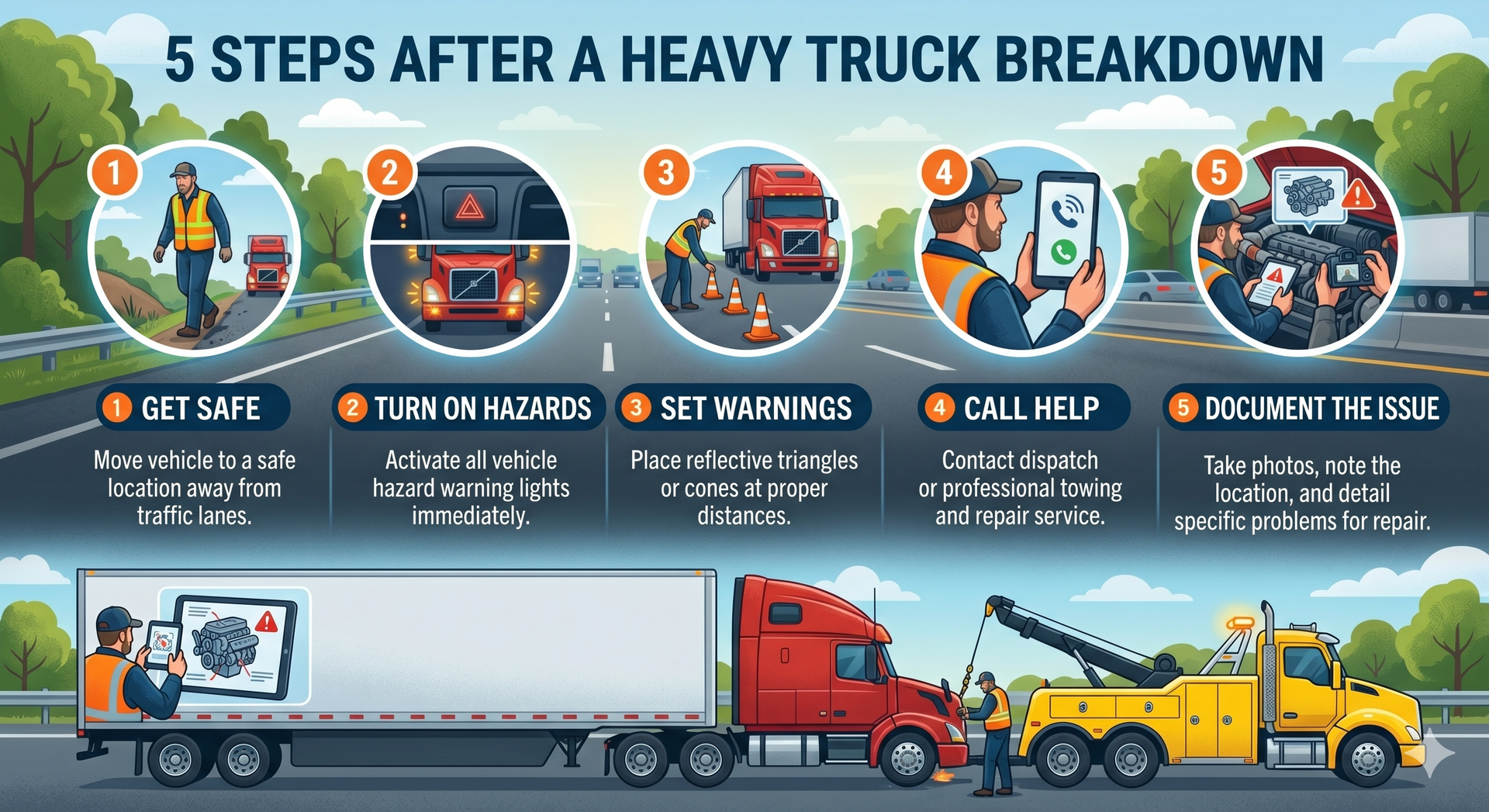
Move to the safest location possible, turn on hazard lights, and set warning devices if it is safe to do so. Then call for roadside assistance and give your exact location, truck type, and symptoms.
When should I call for towing instead of roadside repair?
Call for towing when the truck cannot be repaired safely where it stopped. Brake failure, major mechanical damage, unsafe road position, severe leaks, or poor visibility may make towing the safer option.
What information should I give when I call roadside assistance?
Give your location, direction of travel, truck and trailer type, load status, visible damage, warning lights, and whether the truck can move. Clear details help the service team bring the right equipment.
Can roadside assistance fix heavy truck problems on-site?
Some problems can be fixed on-site, depending on the issue and location. Tire issues, battery problems, minor electrical faults, air leaks, and certain mechanical concerns may be handled roadside if conditions are safe.
How can fleets reduce heavy truck breakdowns?
Fleets can reduce breakdowns through routine inspections, preventive maintenance, driver reporting, and fast follow-up after roadside issues. Keeping records of repeat problems also helps identify trucks that need deeper repairs.
A heavy truck breakdown is stressful, but the right response can prevent a bad situation from getting worse. Stay safe, avoid guessing, give clear details, and do not wait too long to call for help. If you need roadside assistance in Sterling, MA, Matthews Truck Service is ready to help at 978-422-0079.
You might also like